
Return Operations, Reimagined with No-Code


Why Returns Define Loyalty and Margin
Intake That Prevents Downstream Errors
Routing Rules That Respect Reality
SLA Timers, Notifications, and Ownership
Connecting Systems So Data Flows Cleanly
01
Commerce, OMS, and Catalog Synchronization
Pull orders, line items, taxes, and entitlements in real time, avoiding copy-paste errors. Validate serials and warranty windows. When the builder posts updates back, agents and customers see a single truth, preventing duplicate cases and ensuring replacements inherit the correct pricing, discounts, and fulfillment constraints.
02
Labels, Scans, and Carrier Events
Auto-generate labels with negotiated rates, include HS codes where required, and embed smart instructions. Subscribe to scan events to trigger next steps, like automatic refunds on first scan or restocking upon putaway. Exceptions route to humans with context, preventing blind refunds or unintended inventory movements.
03
ERP, Accounting, and Reconciliation
Map dispositions to GL accounts, issue credit memos automatically, and generate RMA numbers with consistent schemes. Attach evidence, approvals, and timestamps for audit readiness. With synchronized statuses, finance closes months confidently, shrinking unearned revenue and aging balances while spotlighting policy costs that deserve executive attention.
Guardrails, Risk Controls, and Compliance


Measure What Matters and Iterate
Launch, Training, and Change That Sticks
Pilot With Clear Guardrails and Goals
Documentation People Actually Use
Support, Governance, and Ownership
Before and After, Side by Side
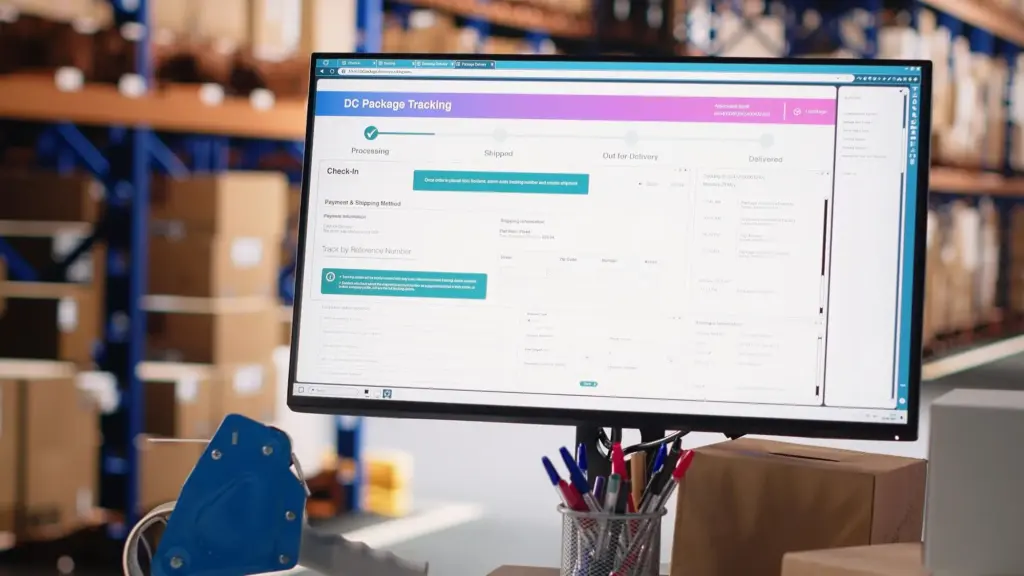
Before, approvals hid in email threads, labels lived in shared drives, and status lived nowhere. After, requests validated instantly, labels issued automatically, and refunds triggered by scans. Disputes plummeted, morale rose, and planning finally used reliable data, not hunches or end-of-month reconciliations.
ROI That Surprises Finance Pleasantly
Savings came from labor hours, error reduction, shipping optimization, and higher exchange conversion. With clear audit trails, chargebacks reversed more often. The builder paid for itself within a quarter, then funded additional automations that compounded gains across warranty claims, repairs, and parts management without new headcount.
Your Turn: Ask, Share, and Build
Tell us your toughest bottleneck, whether it is approvals, labels, or inventory reconciliation. We will respond with a configuration sketch and template you can adapt quickly. Subscribe, comment, or email examples, and we will feature practical solutions others can learn from tomorrow.
All Rights Reserved.